The Infrastructure of Hope: How Managed Services Empowered a Metro Atlanta Non-Profit
Blogs
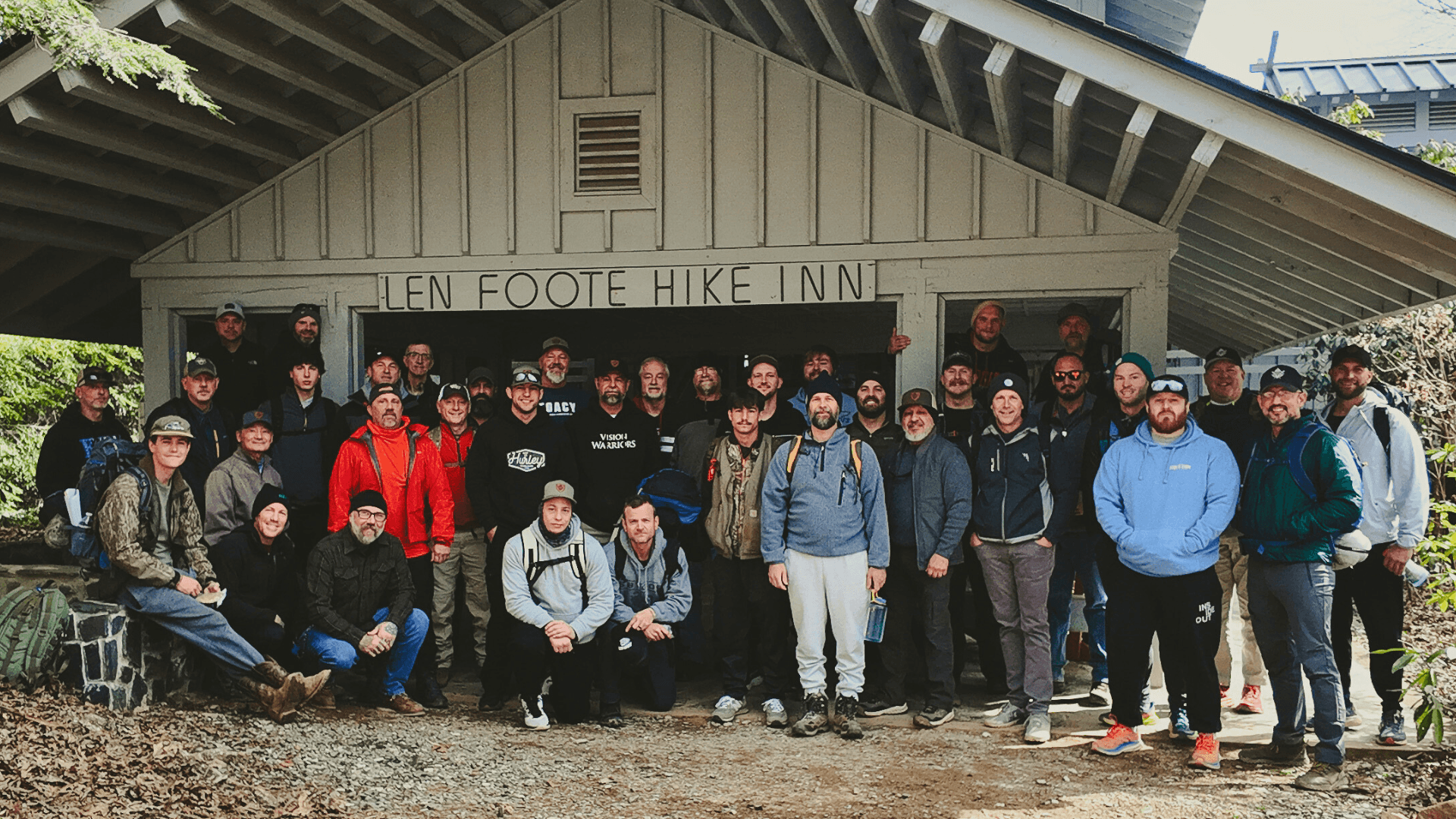
Vision Warriors: A Brotherhood of Faith & Recovery
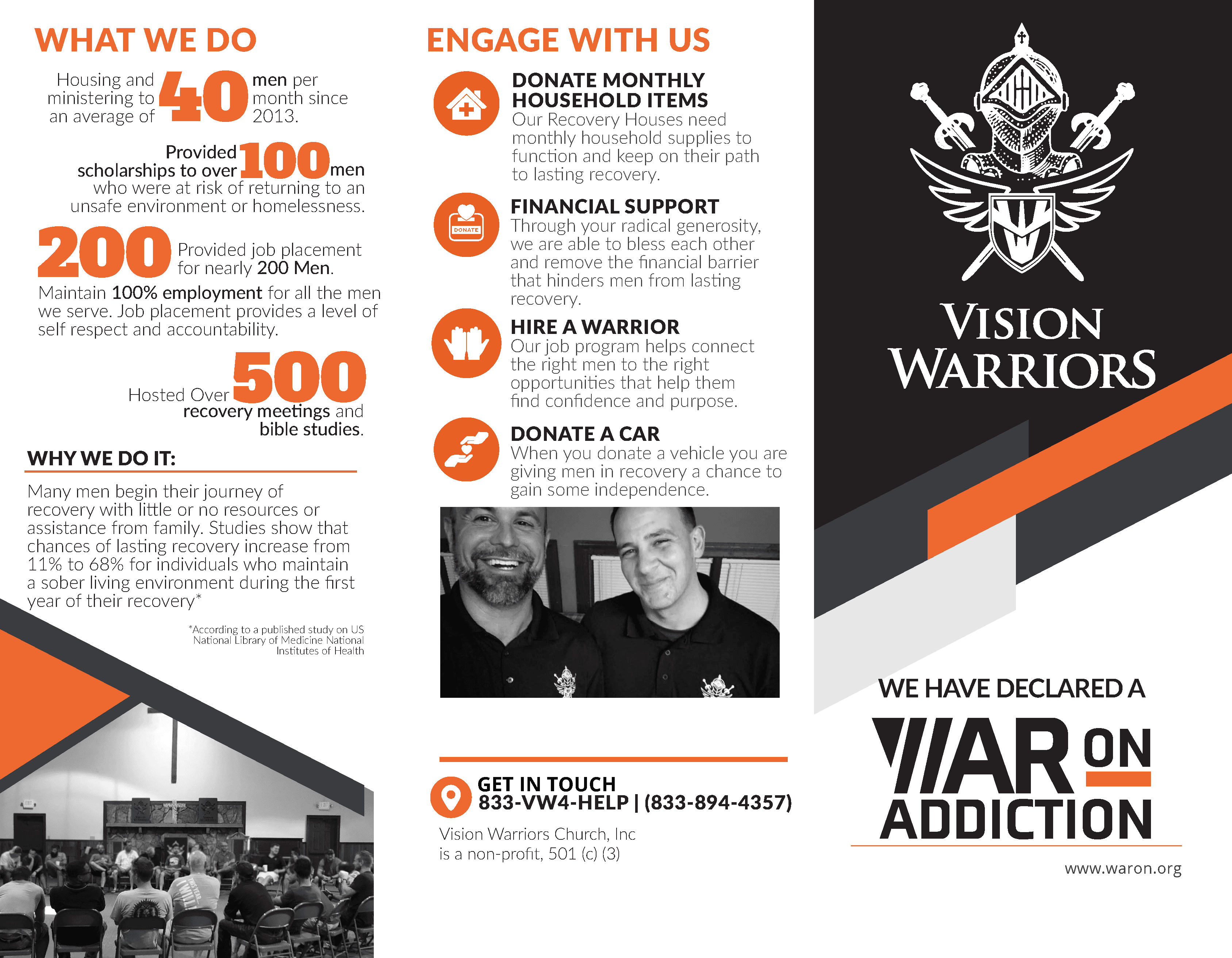
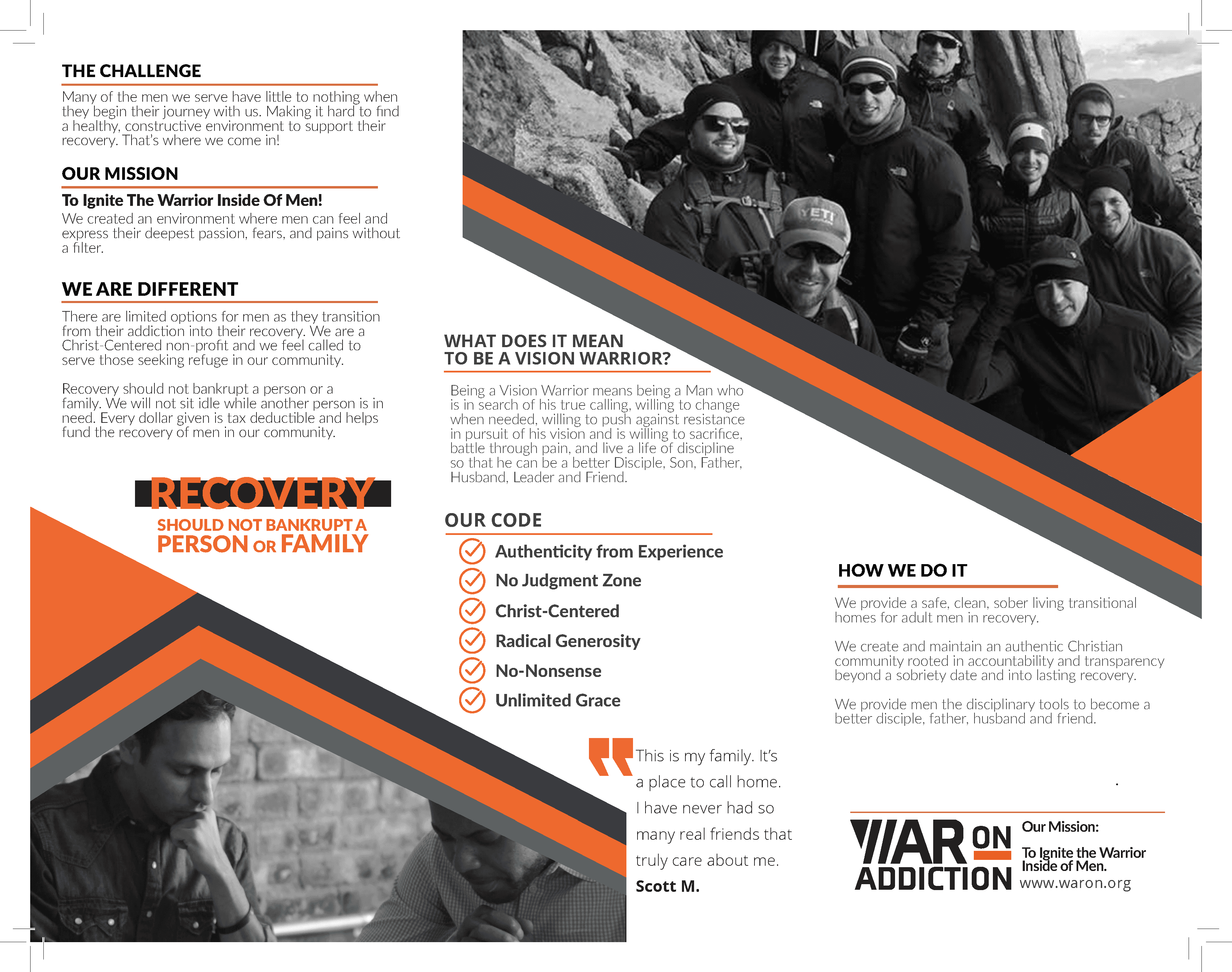
Last year, Vision Warriors fielded over 4,000 phone calls from people looking for a way out of hopeless situations. What these men were met with was not some run-of-the-mill clinical facility, but a safe, affordable transitional environment built on biblical principles and the 12-step journey. For the 40 to 50 residents living across their campuses at any given time, the organization provides the structure needed to move these men from “rock bottom” to financial independence, restored family life, and a renewed sense of self. It is a high accountability, mission-driven community where the goal is to make sobriety a permanent, shared lifestyle.
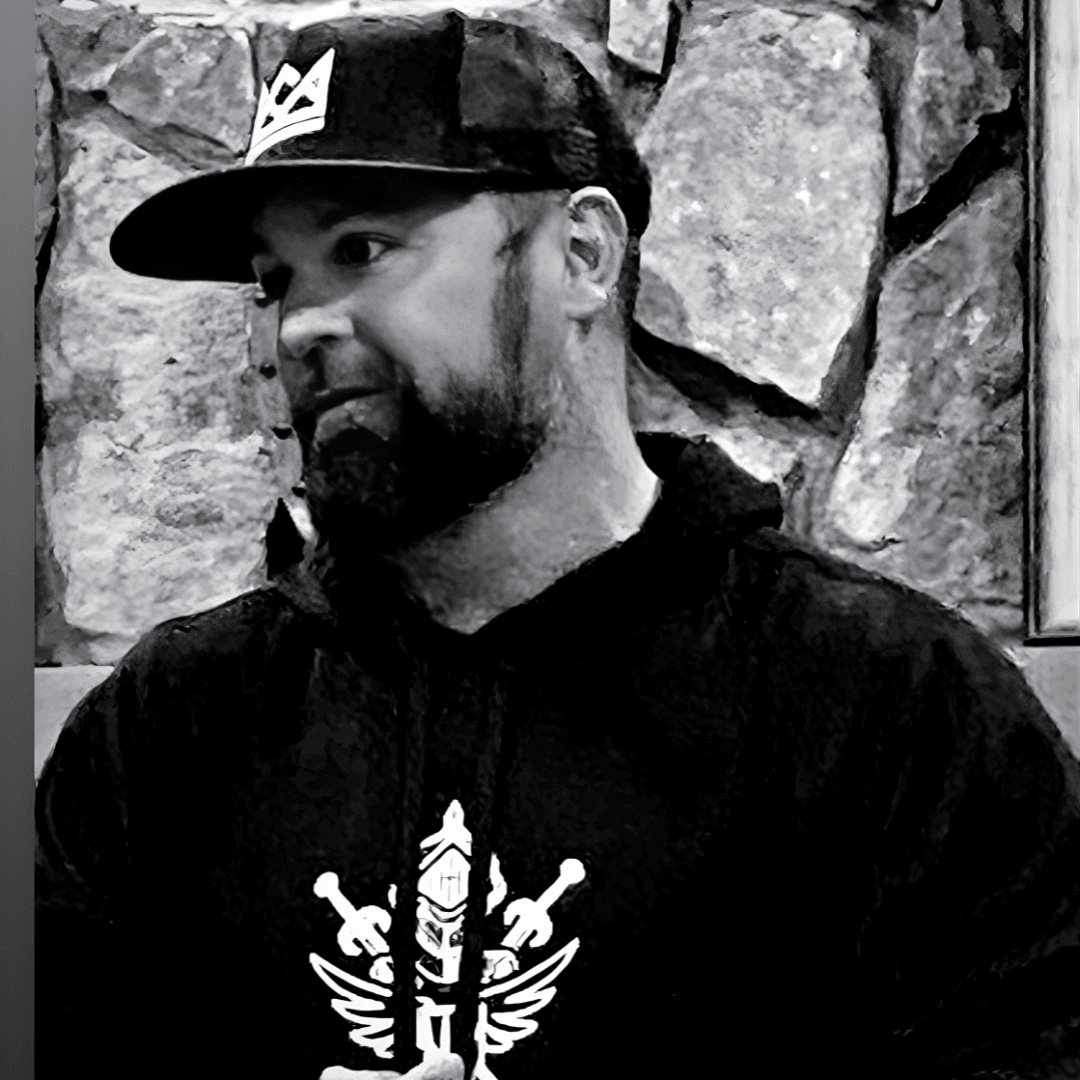
The foundation of Vision Warriors was built on a personal mandate. When founder Kirk Driskell walked into recovery in 1995, he was told: “They would give me everything that I needed for free with one condition. . .the only way I can keep it is I have to give it away every day to someone in need.” This philosophy of selfless service transformed from a personal commitment into a North Atlanta non-profit organization that serves as a lifeline for men embarking on a journey of radical change with nowhere safe to go.
Bridging the Gap Between Service and Reality
The foundation of any impactful non-profit is service, but the backend responsibilities, like budgeting and tracking, mirror those of a for-profit business. For years, Vision Warriors relied on a single team member to manage their Salesforce and a handful of other tech platforms. While this sufficed in the early stages, the organization eventually faced the classic nonprofit bottleneck: they couldn't budget for a full internal IT team, and they also couldn't scale their "war on addiction" using a reactive approach to technology.
Kirk found himself pulled in a thousand directions, stuck in Excel spreadsheets and manual data entry rather than serving the brotherhood. “I don’t want to be the number crunching guy, you know, watching everything because then it just takes away the ability to show up and serve,” Kirk states. While valuable data on member journeys and community impact was there, it could not be used in a way that would impact the greater mission and community.
From Reactive Patchwork to Mission-Aligned Roadmap
Vision Warriors needed more than a quick technical fix; they needed a digital infrastructure that allowed them to transition from time-consuming “reactive fixes” to high-impact "proactive dreaming.” By partnering with OMI through their Managed Services Program, the organization gained access to an “extension of their internal team” that integrated directly into their operational workflow.
Today, team member Drew Hancock works directly with OMI’s team of experts to plan and prioritize their goals in alignment with their budget and mission. This flexible service model allows them to scale resources up or down based on needs and turns Salesforce into a functional, integrated tool that drives expansion. Most importantly, the internal staff could refocus their attention back where it matters most: on the community and the men walking through their doors.
Data with a Heartbeat: Protecting the Brotherhood
Their unified data environment now serves as a vital fail-safe for the Vision Warriors brotherhood. Leadership uses real-time metrics to monitor the health of each house and celebrate important milestones, like a member reaching 2,000 days sober. They can now identify cultural shifts or individual struggles, such as a lack of engagement with sponsors, before a relapse occurs. As Kirk explained, if a high percentage of men aren't working with sponsors, “They’re going to erode away the culture. . .when you have the data to back up what you’re seeing, then you can ask different questions [and] enforce different things that help guard that culture.”
This digital accountability has also evolved the organization's ability to communicate its impact to the outside world. In the past, it was easy to share powerful anecdotes, such as a child taking their first steps within the sanctuary, but difficult to provide the verifiable data required by larger grantors. By centralizing member management and financial records in Salesforce, the organization can now pull precise reports for grants in five minutes that previously took hours of manual work. This level of data transparency allows Vision Warriors to back their stories with evidence, gaining the trust and financial support needed to expand their mission to new communities.
Stewarding the Vision for the Next Decade
As Vision Warriors prepares for its next decade, the focus is on a national footprint. The organization is transitioning its identity into a broader movement where the faith-based recovery brotherhood born in Metro Atlanta can be facilitated anywhere. By leveraging OMI’s Managed Services, the organization is creating a blueprint for mission-driven growth; one where adding more capacity doesn't mean eroding the brotherhood's core culture.
The administrative nightmares of the past have been replaced by a stable, enterprise-level infrastructure that scales with the mission rather than hindering it. This partnership allows Kirk and his team to stop managing their tech stack and start managing the mission of providing a safe place for every man who needs help. You can join the fight and support the brotherhood by visiting visionwarriors.org or calling 833-VW4-HELP.
For other nonprofit leaders ready to resolve their own operational inefficiencies, OMI provides the technical clarity and flexible service partnership needed to maximize your impact on the people you serve.